

 中文版
中文版 English
Why fiberglass reinforced plastic (FRP) septic tanks have replaced traditional septic tanks?
2023-07-11
The traditional septic tank has been used for a very long time in people's lives, it has many advantages and disadvantages, most of them are brick structure, there are also reinforced concrete structure, in the production process are relatively simple, there is no technical content to speak of. After a long time of use, a variety of problems will occur, such as easy leakage, easy to clog, water treatment is also not good, especially easy to pollute the environment around the residents, increasing the burden of downstream sewage treatment. In the sense of environmental protection, the traditional septic tank can be eliminated, so that the FRP septic tank takes its place.
Because of the special nature of its raw materials, the FRP septic tank is lightweight and high-strength, non-corrosive, non-leakage, outstanding water treatment effect, convenient construction and installation, only need to dig a pit and bury it, which makes up for all the shortcomings of the traditional septic tank. Its development has gone through four stages: at the beginning stage, the products are square, which can be seen as two trapezoidal shapes above and below. This product is not corrosion-resistant, but with the shortcomings of the tightness is not good enough; the second stage, the product is basically horizontal cylinder, better compression resistance, but the processing procedures are complex, not easy to improve and production; the third stage, is the corrugated fiberglass reinforced plastic septic tank, the tightness and compression resistance have reached a satisfactory level, this technology is also used today; the fourth stage, is the inner corrugated fiberglass reinforced plastic septic tank, is now being commonly used, the product shape is smooth and smooth. The fourth stage is inner corrugated FRP septic tank, which is commonly used now. The product is in the shape of smooth cylinder, which reduces the force area of the product, but the inner part of the product is reinforced by square steel embedded at intervals, which is like undulating waves, so it is also named as inner corrugated FRP septic tank.
RELEVANT INFORMATION
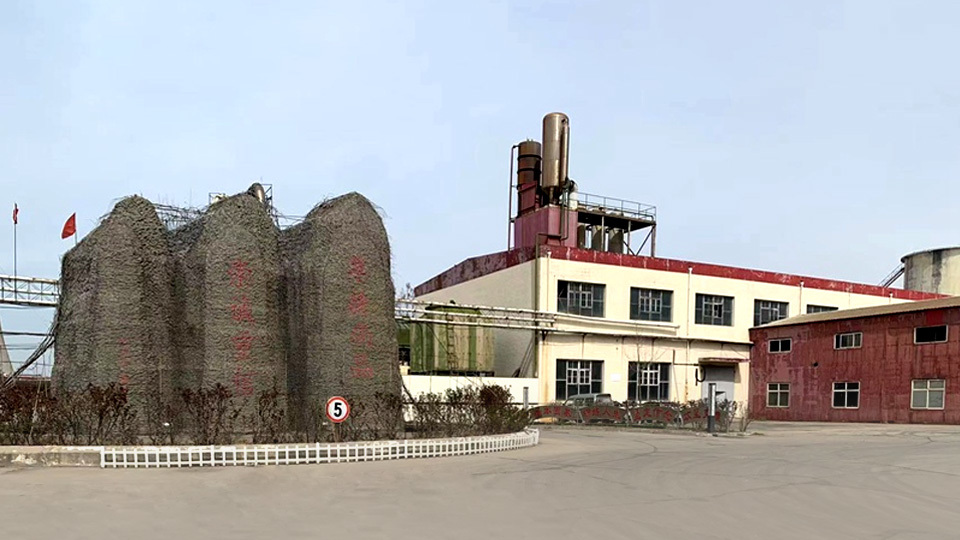
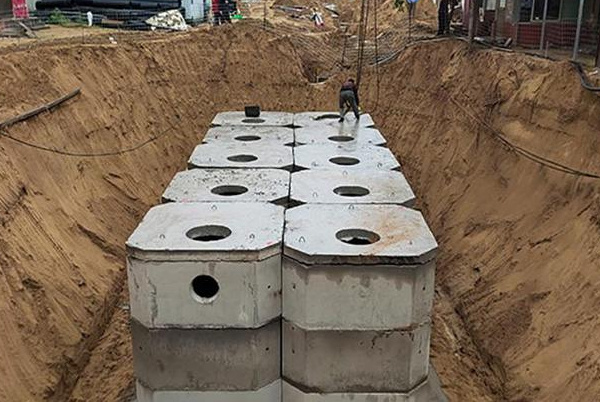
Internal structure of monolithic concrete septic tanks
2023-07-11
The sludge is darker in color and not just because of dissolved oxygen!
2023-07-11
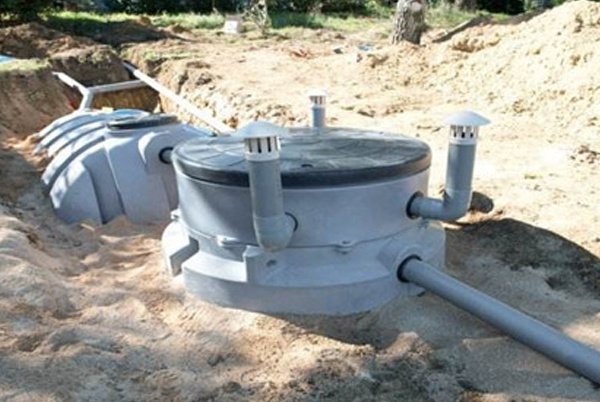
How do rural restrooms and septic tanks work?
2023-07-11

We are an environmental protection equipment manufacturer integrating scientific research, design, production and sales of septic tanks.
About us
Product series
Contact us
High-tech Industrial Development Zone, Xingtai City, Hebei Province

Mobile website